Posts

Showing posts with the label Medical supply

Pros and Cons of Medline Revealed

Image
  MedlineIndustries is America’s largest private healthcare company, offering distribution services, medical supplies, education programs and clinical programs across the world. It was founded in 1910 and started as a small manufacturer of aprons, surgical gowns and uniforms. Today however, Medline Industries has grown into a USD 16 billion global revenue giant and manufacturing powerhouse with over 23,000 employees and operations in 20 different countries. It is also a research-based firm and has innovated many new medical products such as the first FDA-approved antiviral facemask in 2011. In this article, we will be discussing the incredible benefits working with Medline industries has brought Pipeline medical and also, some of the drawbacks. Pros of Medline Industries: 1) Research and Innovation Hospitals are heavily reliant on disposable protective apparel to keep their staff protected throughout their day of work, but masks can start to feel uncomfortable, especially ...

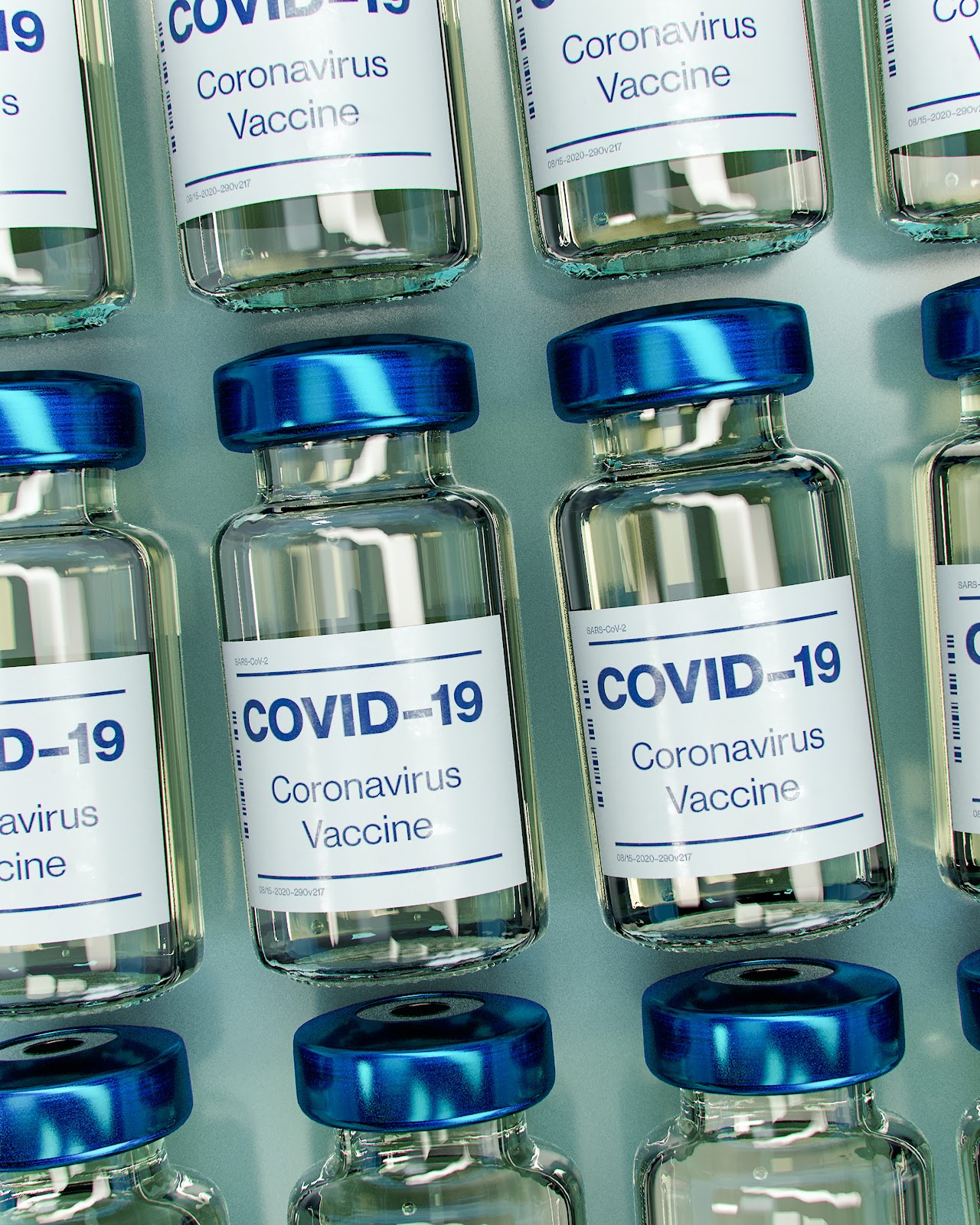
Building Resilient Medical Supply Industry Post-COVID

Image
  From past to the present, the Medical Supplies Industry has been a solid but hidden backbone of the health care industry.   However, as we set our eyes towards the future, it is important to note that the medical supply industry has witnessed a monumental transformation due to the COVID pandemic. America’s heavy dependence came to light as it reportedly relied on China with its $800 million investment to source medical supplies , for almost a decade and a half until COVID. During COVID, India and China played an instrumental role in disbursing the required medical supplies to the US market with China supplying 20% (due to lockdown) of medical Personal Protective Equipment (PPE) to the USA which was 40%+ back in 2018 out of total PPE supply. As the US sourced 72% of APIs (Active Pharmaceutical Ingredients) from other countries, India contributed to 18% and China accounted for 13% of the total supply. And according to the research reports a $105.8 billion medical supply i...

Is the vaccine working ?

Image
  More than 15 million people in the UK received the first dose of the coronavirus vaccine , but how do we know if it is effective? There are some early signs that the effects of the vaccine may reduce the number of deaths in people over 80. But the data on the cases and hospitalized patients is not yet clear. It is difficult to distinguish the effect of the vaccine from the lock-in effect. Therefore, the government will review other data before deciding to relax restrictions. What does the data show? The BBC News analysis uses only data from England, indicating that the vaccine is beginning to push down this number. Coronavirus deaths in the vaccinated group declined faster than the unvaccinated group. Between January 28 and February 11, on average, the mortality rate for people in their 80s fell by 53%, while the mortality rate for people under 80 fell by 44%. Professor Chris Whitty, the UK’s chief medical adviser, said this week: “The earliest signs indicate that it will have a ...

When to wear or not a face covering ?

Image
  What is a What a face covering In the context of the coronavirus (COVID-19) outbreak, face coverings can safely cover the nose and mouth. You can buy reusable or disposable masks. You can also use scarves, turbans, religious clothing or handmade fabrics, but these must be firmly attached around the face. Masks are not classified as PPE (Personal Protective Equipment), which are used in limited places to protect the wearer from hazards and dangers, such as masks or respirators used in medical and industrial settings. On the contrary, masks are mainly used to protect others (not the wearer) from the spread of infection, because they cover the nose and mouth, which are the main virus transmission routes that cause coronavirus infection (COVID-19). When to wear a mask In some places, according to the law, you must wear a face mask unless you are exempt or have a reasonable excuse. In England, you must wear a face mask in the following indoor settings (examples are given in parenthese...

Types of PPE you can use

Image
  Eyes Hazards Chemical or metal splash, dust, projectiles, gas and vapor, radiation Option Safety glasses, goggles, face shields, face shields, sun visors Note Ensure that the selected goggles have the correct combination of impact/dust/splash/molten metal goggles to suit the task and correctly fit the user Head and neck Hazards Falling or impact from flying objects, risk of head impact, hair tangled in the machine, chemical drops or splashes, climate or temperature effects Option Industrial safety helmets, crash helmets, hair nets and firefighter helmets Note Certain helmets are equipped with or can be equipped with specially designed eye or hearing protectors Don't forget to protect the neck, such as the scarf used during welding If the head guard is damaged, replace it Ears Hazards Noise-a combination of sound level and duration, even if the duration is short, very high sounds are a hazard Option Earplugs, earmuffs, semi-insertion/earmuffs Note Provide suitable hearing protecto...

Who is at higher risk of corvid-19 ?

Image
  High-risk population (very clinically vulnerable) If you meet the following conditions, you may get coronavirus: Had an organ transplant Are undergoing chemotherapy or antibody therapy to treat cancer, including immunotherapy Lung cancer radiotherapy (radiotherapy) is very stressful Targeted cancer treatments that can affect the immune system (such as protein kinase inhibitors or PARP inhibitors) Suffer from blood or bone marrow cancer (such as leukemia, lymphoma or myeloma) Have had a bone marrow or stem cell transplant in the past 6 months, or are still taking immunosuppressive drugs Be told by your doctor that you have a serious lung disease (such as cystic fibrosis, severe asthma, or severe COPD) Illness means you are very likely to be infected (such as SCID or sickle cell) Are taking drugs that make you more susceptible to infections (such as high-dose steroids or immunosuppressive drugs) Severe heart disease and pregnancy Problems with the spleen or the spleen has been remo...